
The Allure of Risk in Casino Gaming
The psychology of casino gaming is deeply intertwined with the concept of risk and reward. When players enter a casino, they are often driven by the excitement of taking risks. The thrill of potentially winning large sums of money can overshadow the reality of the odds stacked against them. This alluring experience activates the brain’s reward system, releasing dopamine, a neurotransmitter associated with pleasure and reward. This biochemical reaction reinforces the desire to engage in gambling behaviors, making it a compelling experience that can easily draw players back, especially when considering the best non gamstop casinos uk.

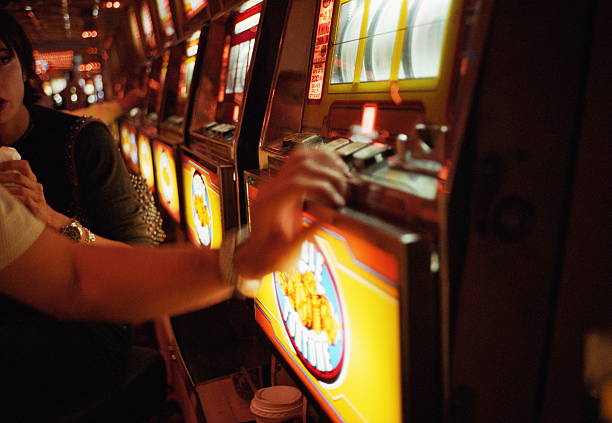
Moreover, the casino environment is meticulously designed to amplify these feelings. Bright lights, captivating sounds, and the allure of winning create an immersive atmosphere that enhances the excitement of risk-taking. The combination of these sensory experiences can lead to a condition known as “loss of control,” where players continue to gamble despite recognizing the financial consequences. This psychological phenomenon showcases how the design of casinos and the nature of gambling can profoundly impact decision-making processes.
The Role of Cognitive Biases
Cognitive biases play a significant role in the choices individuals make while gambling. One prevalent bias is the “gambler’s fallacy,” where players believe that past events influence future outcomes. For example, if a specific slot machine has not paid out for a while, some gamblers may assume that it is “due” for a win. This misconception can lead to continued play, as players become convinced that their chances of winning are higher than they actually are. Such biases can cloud judgment and lead to irrational decision-making.
Another cognitive bias is the illusion of control, where gamblers believe they have the ability to influence the outcome of games that are purely based on chance, such as roulette or slot machines. This misconception can encourage players to make choices they believe will enhance their chances of winning, despite the randomness of these games. Understanding these cognitive biases is essential in unraveling the psychological layers behind gambling behavior, revealing why individuals persist in these activities even in the face of losses.
Emotional Triggers in Gambling
Emotions significantly influence gambling behaviors, often driving individuals to engage in gaming activities for various reasons. Many people gamble as a form of escapism, using it as a means to distract themselves from stress, anxiety, or everyday life challenges. The temporary thrill of casino gaming can provide an emotional high that allows players to forget their problems, albeit briefly. However, this emotional engagement can lead to over-reliance on gambling as a coping mechanism, potentially resulting in problematic gambling behaviors.
Furthermore, the social aspect of casino gaming cannot be ignored. Many individuals enjoy the camaraderie of playing alongside friends or meeting new people while gambling. This social interaction can intensify the emotional experience, making it more enjoyable and reinforcing the desire to return. However, this social pressure can also lead to risky behaviors, as individuals may feel compelled to continue playing to maintain their social status or connect with others, further complicating the emotional landscape of gambling choices.
The Impact of Marketing and Promotions
Marketing strategies employed by casinos are designed to exploit psychological triggers, enticing individuals to make impulsive decisions. Promotional offers, such as free spins or complimentary drinks, create an atmosphere of urgency that encourages players to engage more rapidly in gaming activities. This creates a cycle of reinforcement, where players feel rewarded for their participation, leading to increased time spent on gambling activities. The strategic placement of these promotions aims to maximize participation rates, tapping into the psychological principles of scarcity and immediacy.
Additionally, loyalty programs and rewards systems further enhance the gambling experience by making players feel valued and connected to the casino. These programs often create a sense of belonging, encouraging individuals to continue gambling to maintain their status or unlock new rewards. This emotional connection, combined with strategic marketing, effectively influences players’ choices and can lead to habitual gambling, even when it may not be in their best interest.
Understanding Responsible Gaming and Safety
As the popularity of casino gaming continues to rise, it is crucial to promote responsible gaming practices. Awareness of the psychological influences at play can empower individuals to make informed choices about their gambling behaviors. Online resources and support systems are increasingly available to educate players about the risks associated with gambling and to provide assistance for those who may struggle with addiction. By understanding the psychological factors involved, players can take proactive steps to ensure their gaming activities remain enjoyable and within their financial means.
Websites dedicated to promoting safe gambling practices often provide tools and information to help individuals recognize when their gaming behaviors may be becoming problematic. These resources can help foster a safer gambling environment, emphasizing the importance of self-awareness, control, and responsible decision-making. Ensuring a secure and responsible gaming experience is paramount for both players and the casino industry as a whole, allowing individuals to enjoy the thrill of gaming while minimizing potential risks.
